
Red Terorr (Keyshibr)
The Red Terror & Fall of the Derg Regime
Keyshibr - The Red Terror (1977-1978)
Keyshibr ( ), translated as “Red Terror”, refers to one of the most violent and haunting episodes in Ethiopia’s modern history. It took place during the height of the Derg regime in the late 1970s, particularly between 1977 and 1978, under the leadership of Colonel Mengistu Haile Mariam. Following the overthrow of Emperor Haile Selassie, the Derg faced growing opposition from various political movements, especially leftist student groups like the Ethiopian People’s Revolutionary Party (EPRP) and the All-Ethiopia Socialist Movement (MEISON). As ideological conflicts turned violent, the Derg launched a brutal campaign to eliminate all real and perceived enemies.
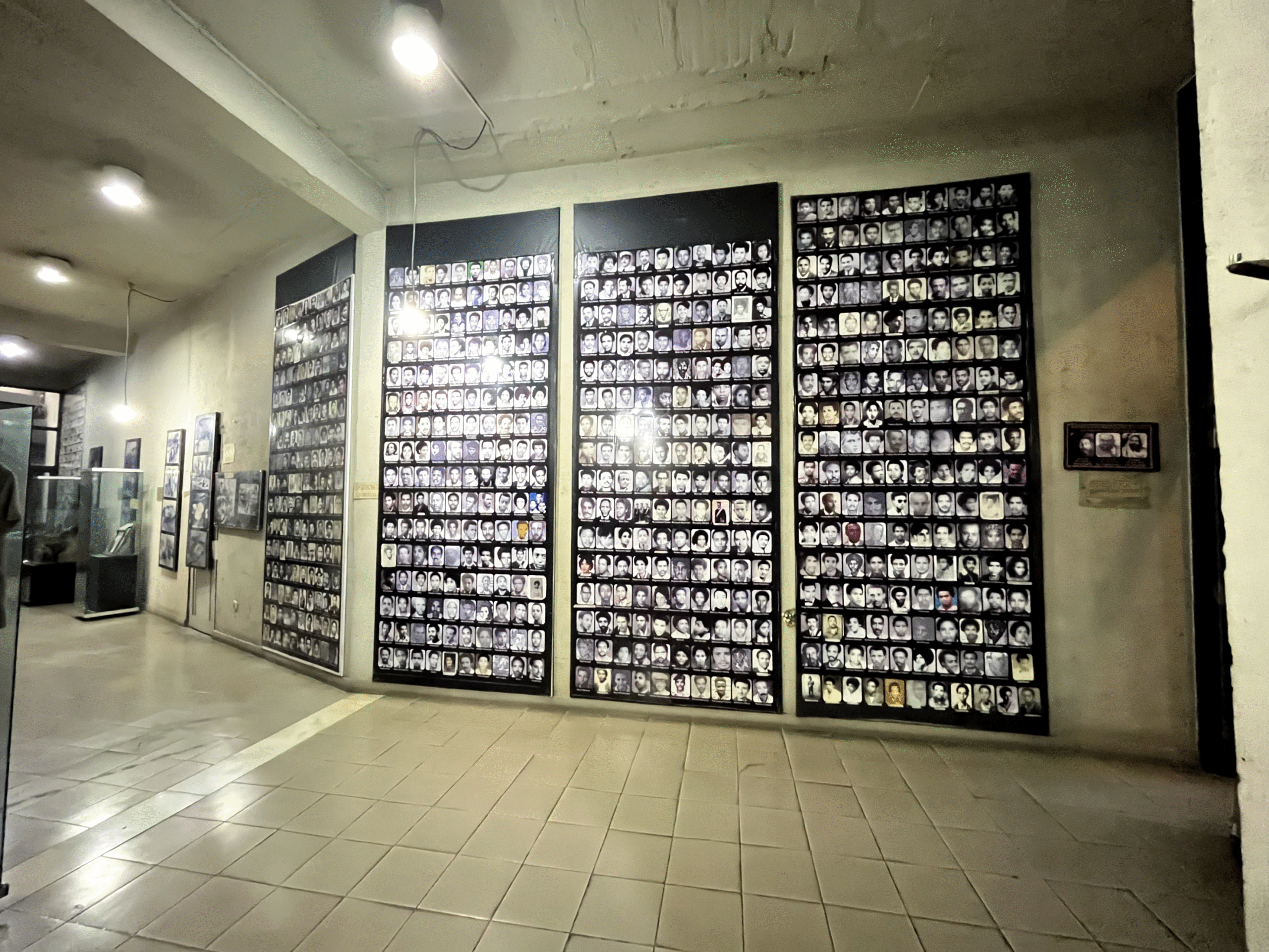
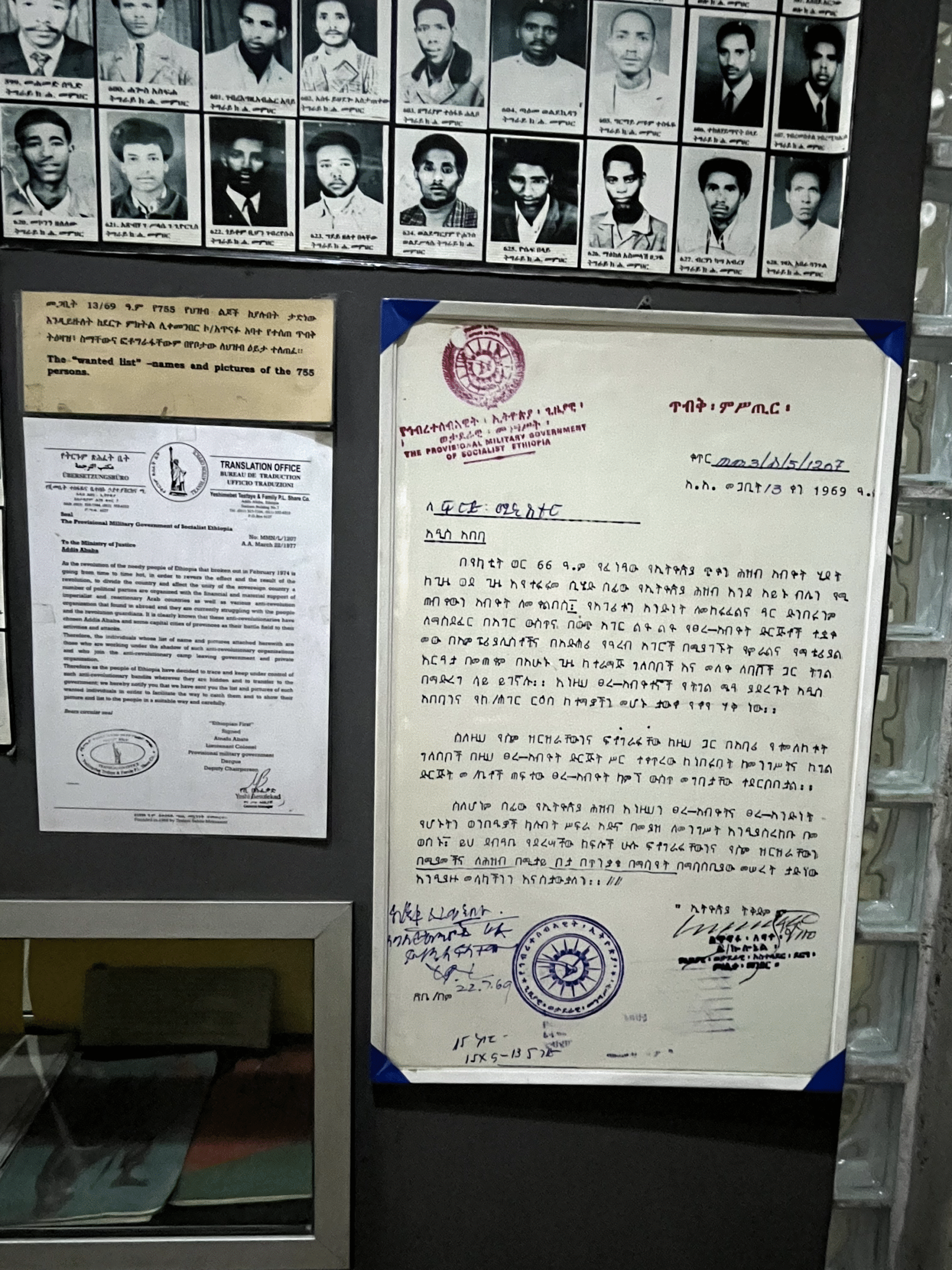
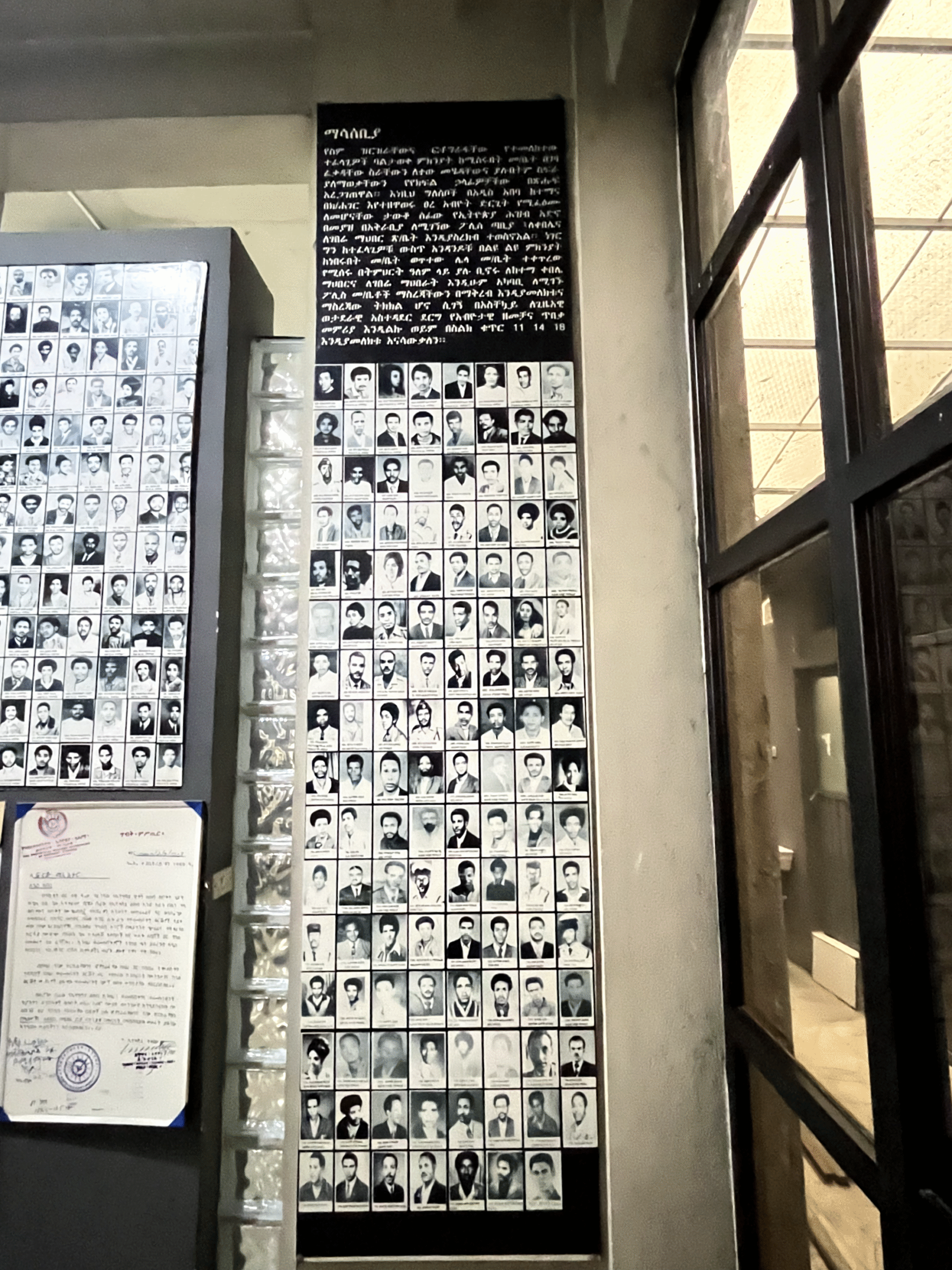
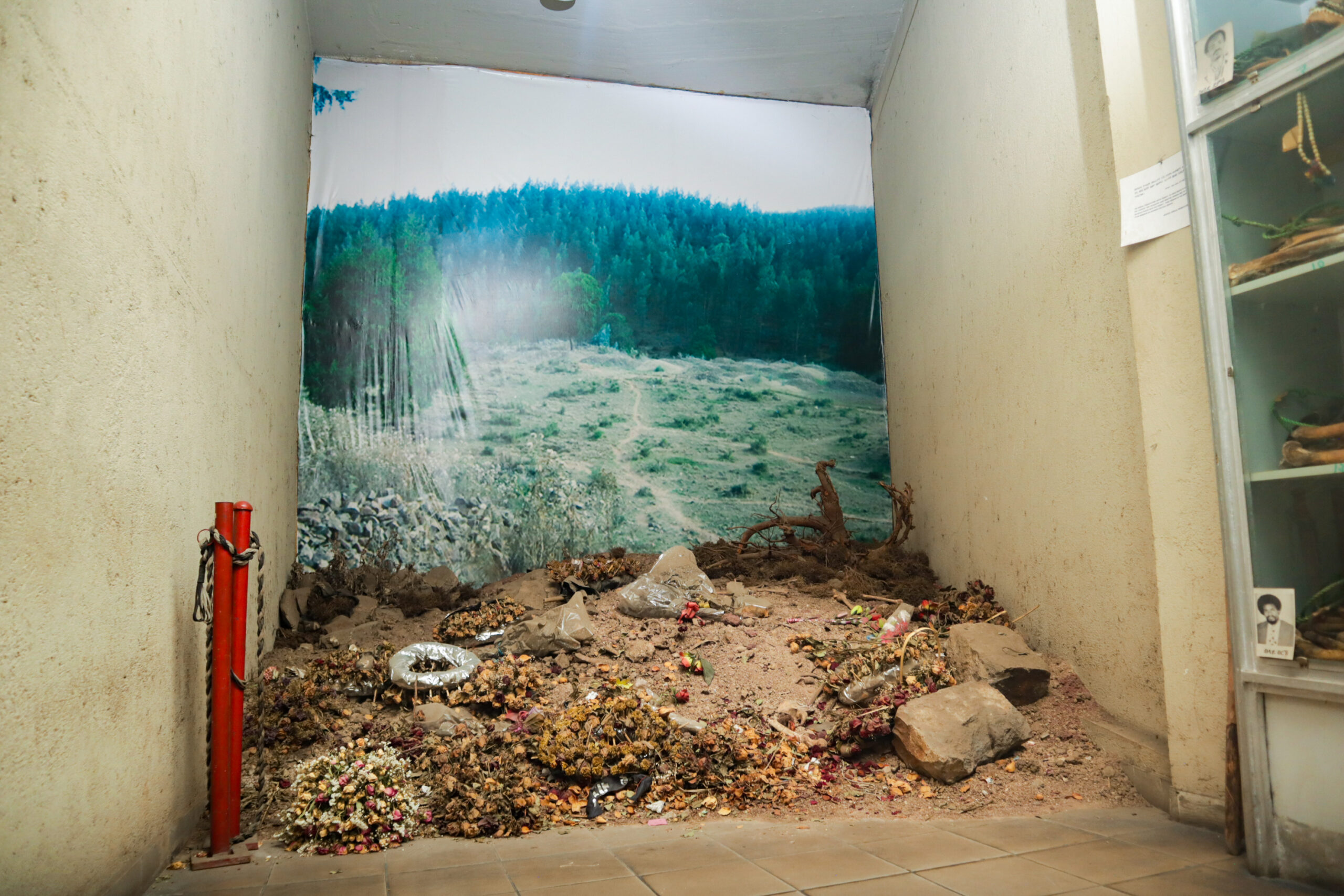
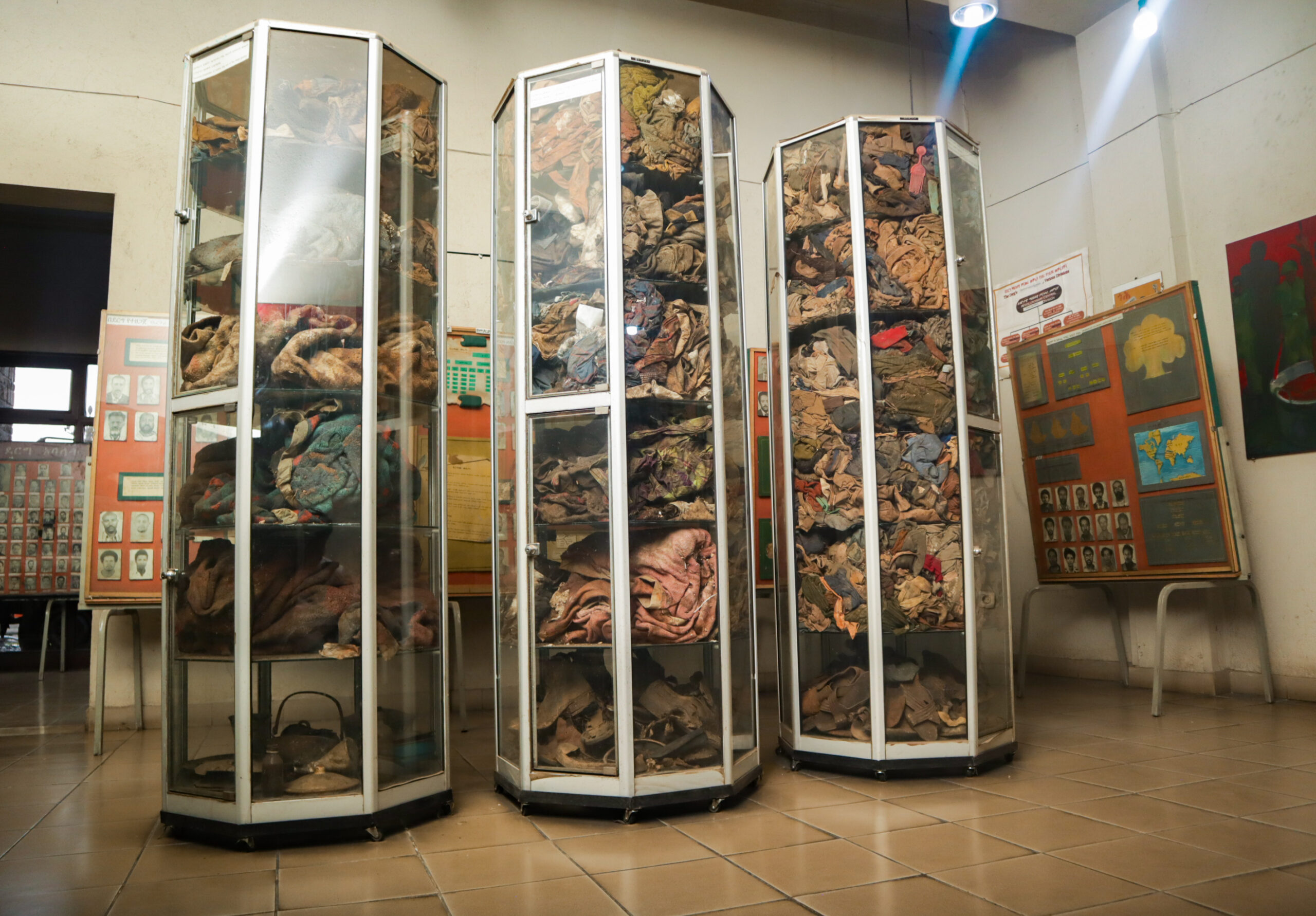
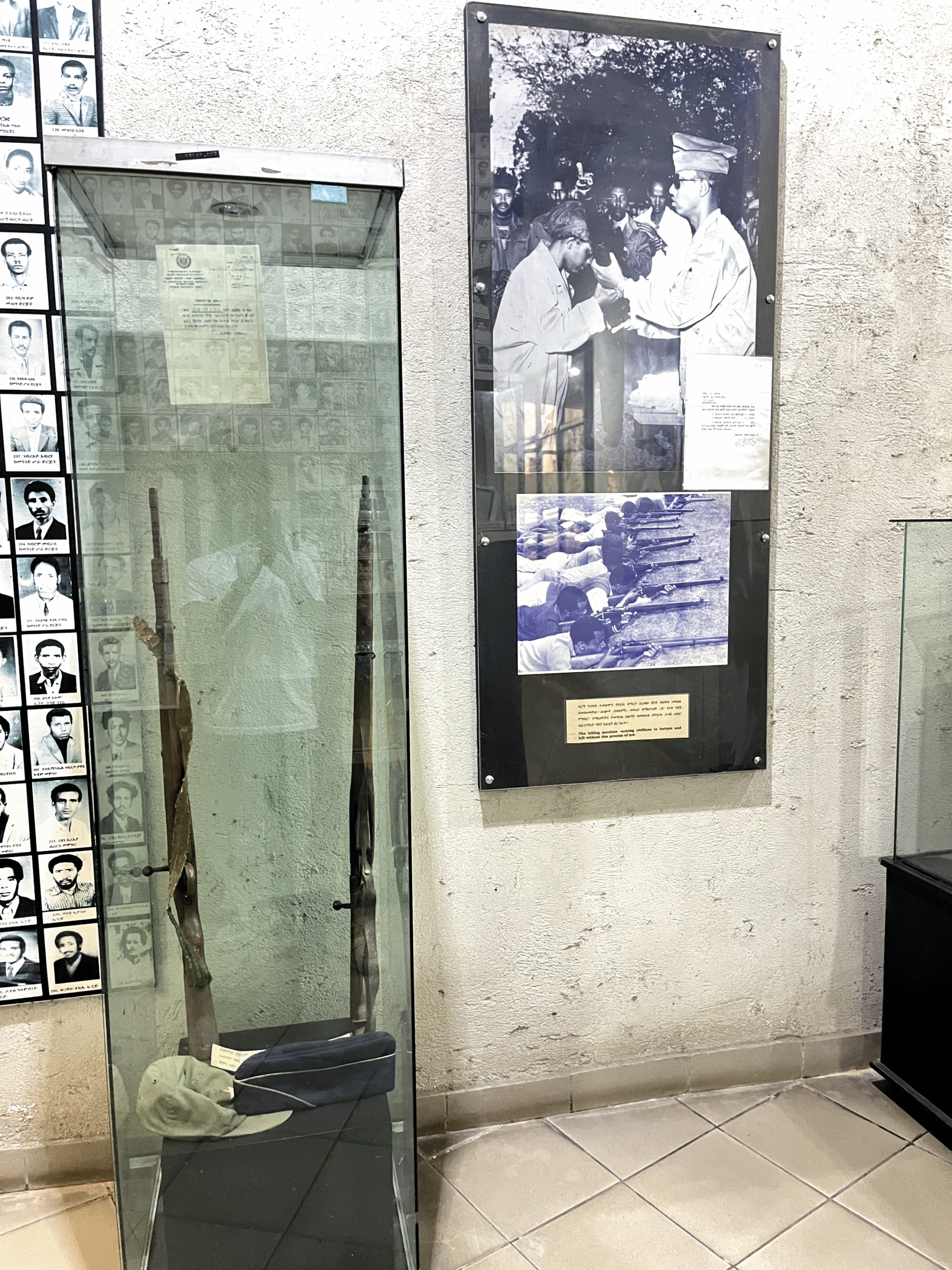
Mengistu officially declared the Red Terror in a chilling public speech in April 1977 by smashing bottles filled with red liquid, symbolizing the blood of his enemies. What followed was a state-sponsored campaign of assassinations, disappearances, torture, and mass executions, especially in urban areas like Addis Ababa. Thousands of young people—many of them high school and university students—were rounded up, executed without trial, and left in the streets as warnings. Families were often forced to pay for the bullets used to kill their relatives. The Red Terror was marked not only by the scale of violence but also by its psychological horror, leaving deep scars on Ethiopian society. Though it was presented by the Derg as a necessary measure to defend the revolution, Keyshibr is widely remembered today as a period of political terror and mass repression. Monuments like the Red Terror Martyrs Memorial Museum in Addis Ababa serve as powerful reminders of this dark chapter. For many Ethiopians, especially survivors and the families of victims, it is a symbol of pain, loss, and the consequences of unchecked power.
The Decline of the Derg and Civil War
By the late 1980s, the Derg regime was increasingly isolated. The Soviet Union reduced its support as it neared collapse. Ethiopia’s economy was in freefall, and rebel groups gained ground. Chief among them was the Tigrayan People’s Liberation Front (TPLF), which formed a coalition with other groups to create the Ethiopian People’s Revolutionary Democratic Front (EPRDF).
Throughout the 1980s, the civil war intensified. In Eritrea, the Eritrean People’s Liberation Front (EPLF) made significant territorial gains. Inside Ethiopia, guerrilla warfare and coordinated attacks weakened the central government. The fall of communism in Eastern Europe further undermined the ideological and logistical foundation of Mengistu’s regime.
In May 1991, as rebel forces encircled Addis Ababa, Mengistu fled the country to Zimbabwe. The EPRDF entered the capital without resistance, marking the end of the Derg. A transitional government was formed, and in 1993, Eritrea officially gained independence after a referendum.
Copyright © 2025 | Powered by Lenege Tech