
The Fall of Silence
Ethiopia Before the Red Terror
The Fall of Silence: From the Palace to the Prison
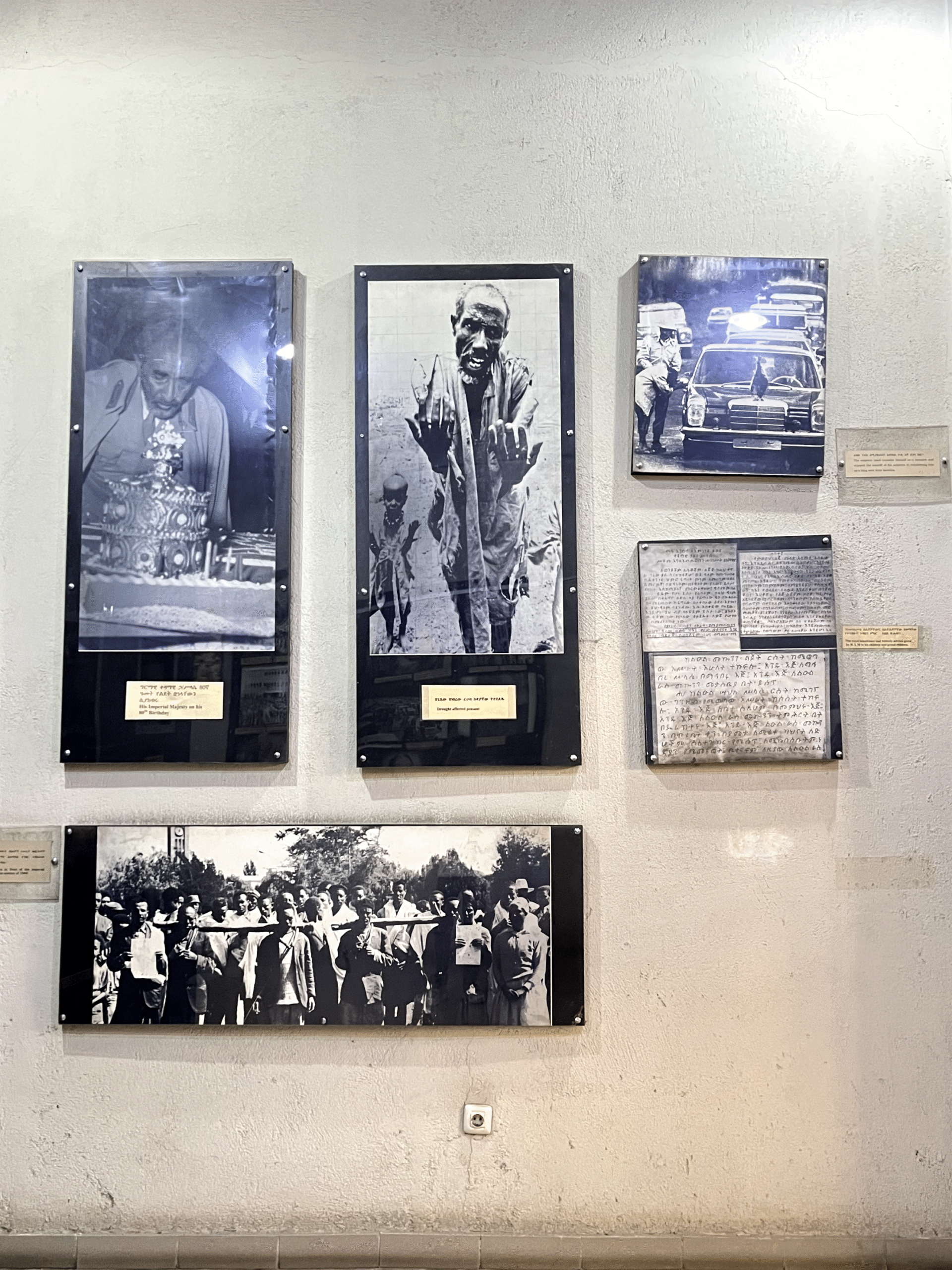
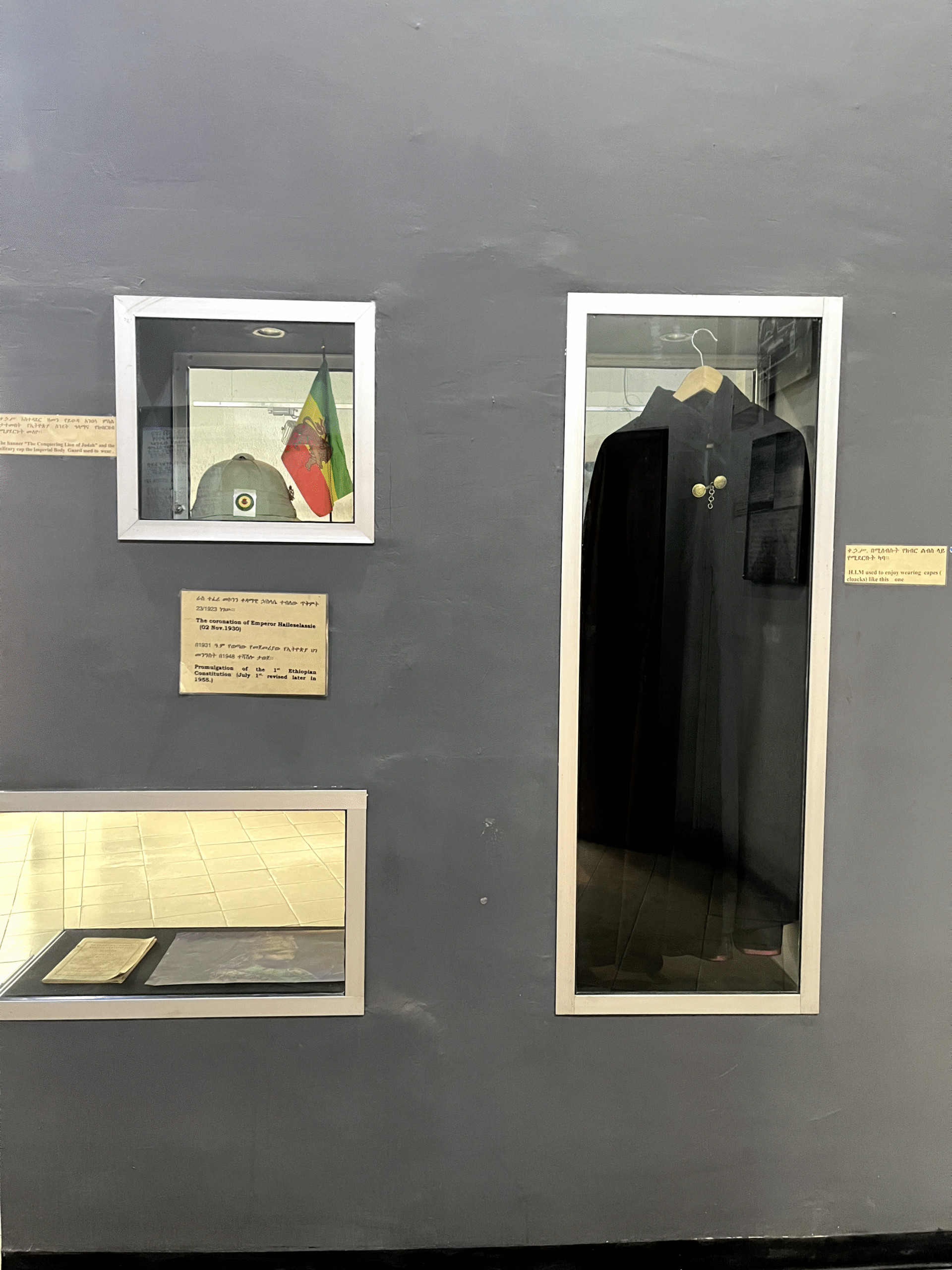
In the heart of Addis Ababa, beneath a sky often cloaked in blue, stood a kingdom seemingly untouched by pain. In the grand halls of Emperor Haile Selassie’s palace, golden chandeliers glittered as dignitaries bowed. On the day of the Emperor’s birthday, tables overflowed with imported wines, delicacies, and grand cakes—layered, creamy, and adorned with the emperor’s emblem. The rich clinked their glasses to celebrate a man they called the “King of Kings”. Musicians played in harmony, choirs sang songs of praise, and state radio echoed with loyal voices.
But far from the palace gates, a different rhythm pulsed through Ethiopia, particularly in the quaint village of Haleslase. In Haleslase, life appeared idyllic on the surface. The villagers, known for their warm hospitality, filled the streets with laughter and song. Children played in sun-drenched fields, while women gathered at the market, exchanging gossip and goods. However, beneath this cheerful facade lay a growing discontent. The village was not immune to the struggles of the larger nation; whispers of hunger, inequality, and unfulfilled promises began to seep into daily conversations.
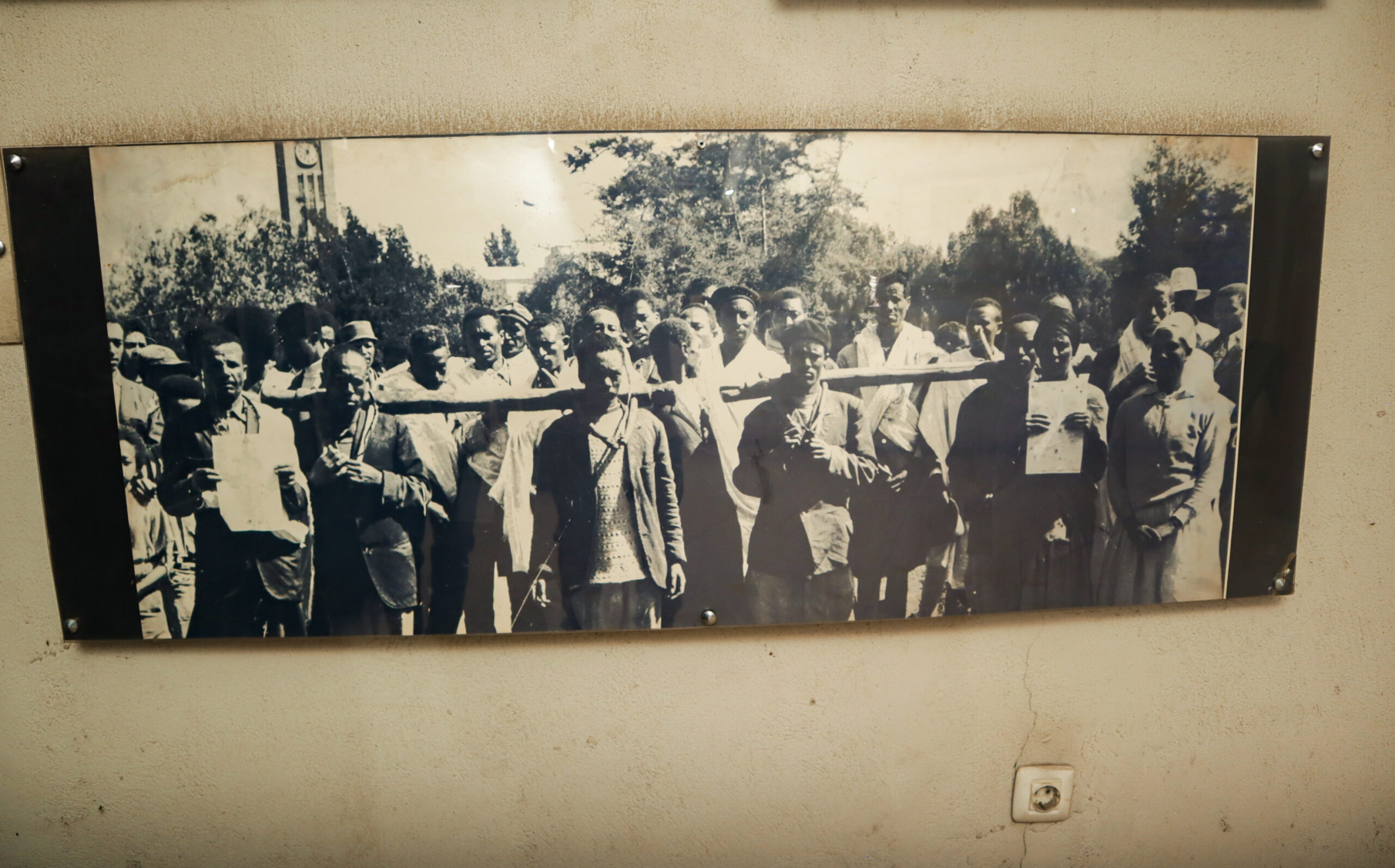
In the north, the land cracked under drought. Families starved, eating leaves, bark, and anything that resembled food. Mothers wrapped their emaciated children in torn blankets, praying not for a miracle but for the end of their suffering. Their cries never reached the palace walls. On the same day as the King’s birthday, while trucks delivered cakes to the palace, fuel prices surged, and in the cities, drivers parked their taxis and trucks in protest. The streets filled with the honking of anger. They chanted, not in celebration, but in frustration: “We can’t afford to drive. We can’t afford to eat”.
Among those rising against the oppression were Mengistu Nway and his brother Germame Nway. Hailing from a humble farming family, they were driven by a deep sense of justice and a desire to change their country for the better. Mengistu, the elder, was a respected community leader, while Germame was known for his fiery speeches that inspired hope among the oppressed. Together, they organized peaceful protests in their village, advocating for land reform and food distribution for the starving families in the north. They believed that Ethiopia belonged to its people, and their voices rang out with determination.
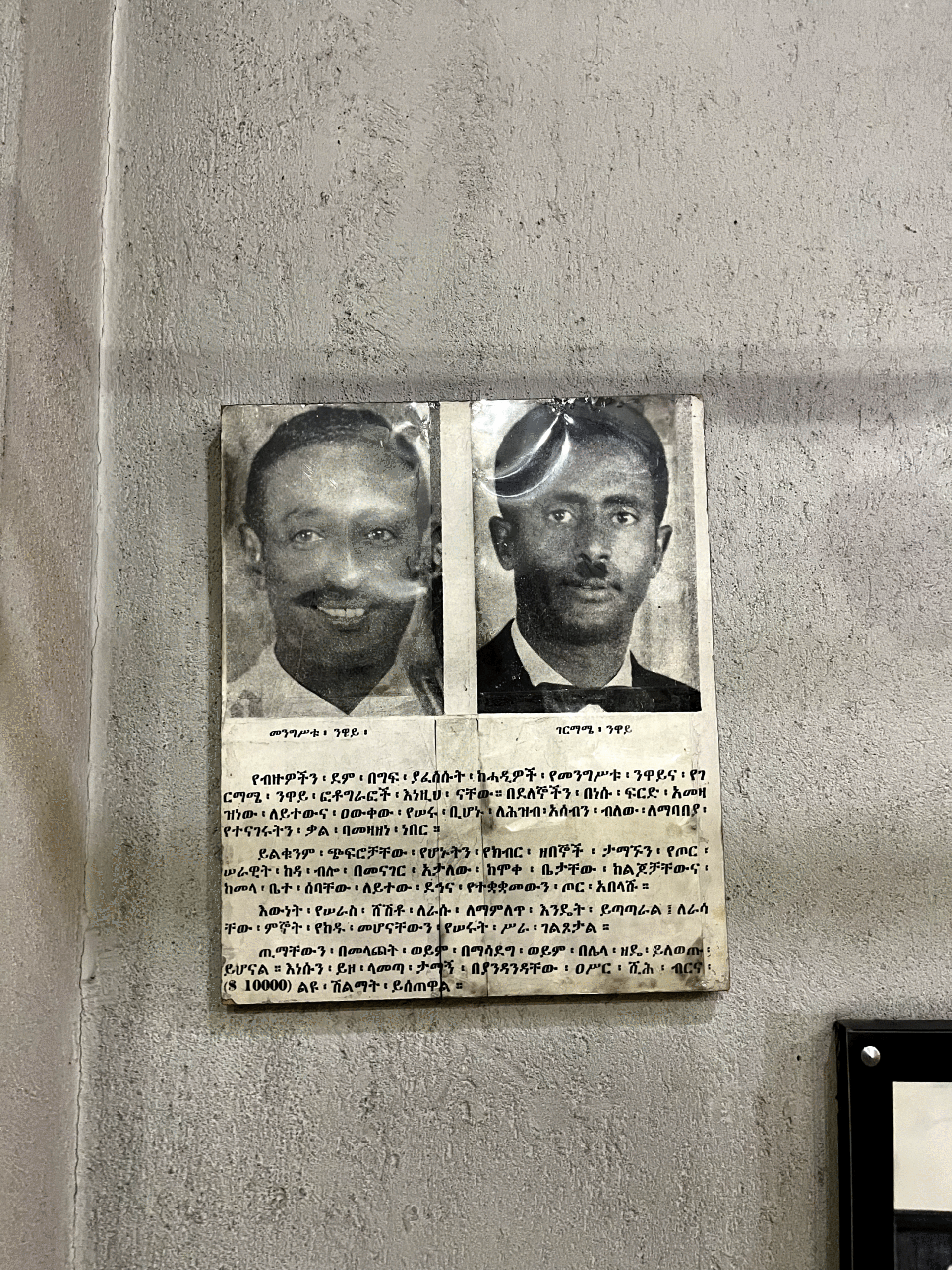
One fateful dawn, soldiers arrived at their doorstep. The brothers were dragged from their home, their mother’s cries echoing in the air. Mengistu was beaten and arrested, while Germame stood defiantly, demanding to be treated with dignity. In a brutal act of violence, Germame was shot on the spot, his blood soaking the earth he had vowed to protect. Mengistu was taken away, blindfolded, interrogated, and tortured, never to be seen again. His name became a whisper among villagers, remembered not as a criminal, but as a martyr for their cause. These events were not isolated. They were the sparks of a storm.
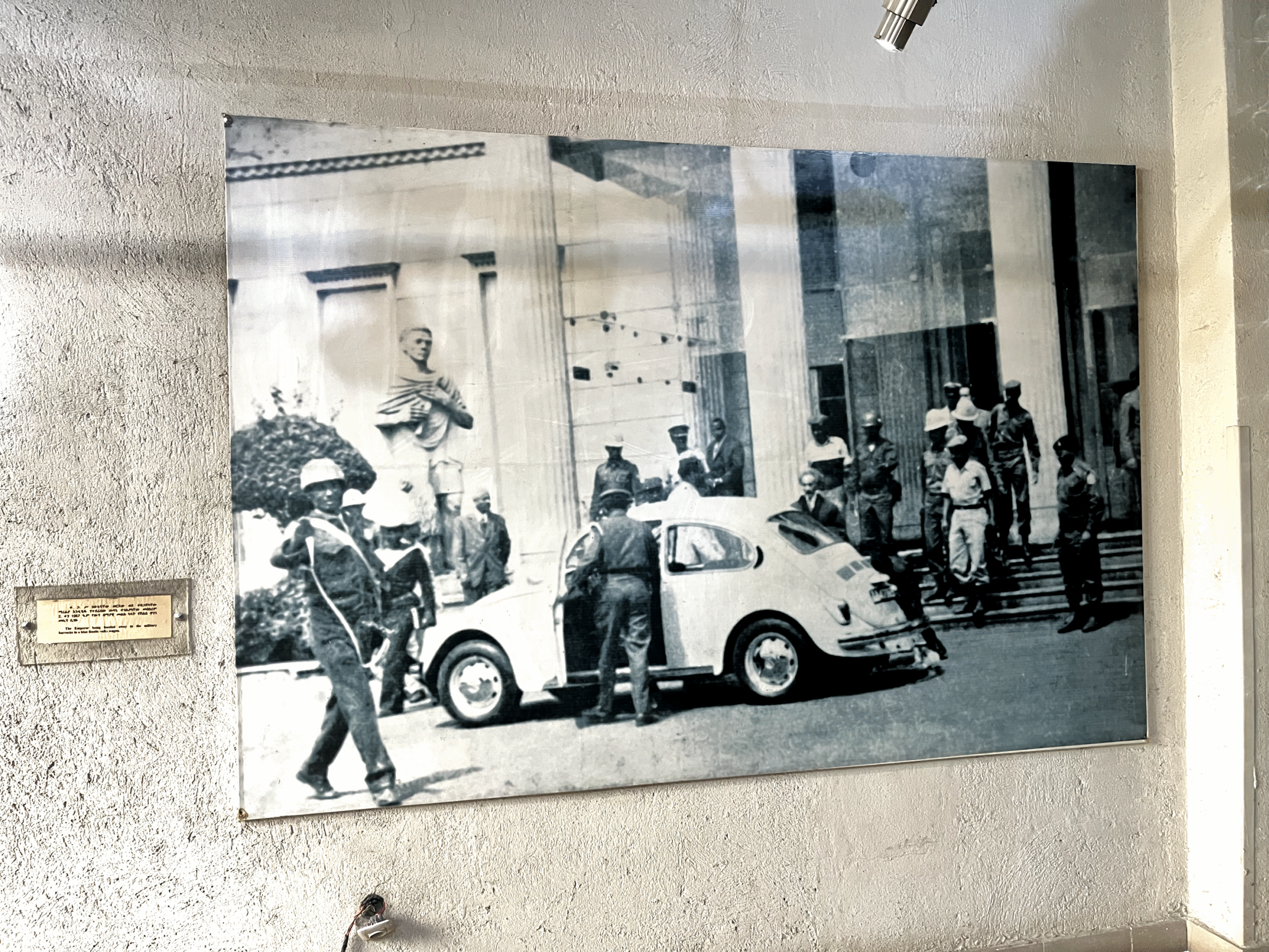
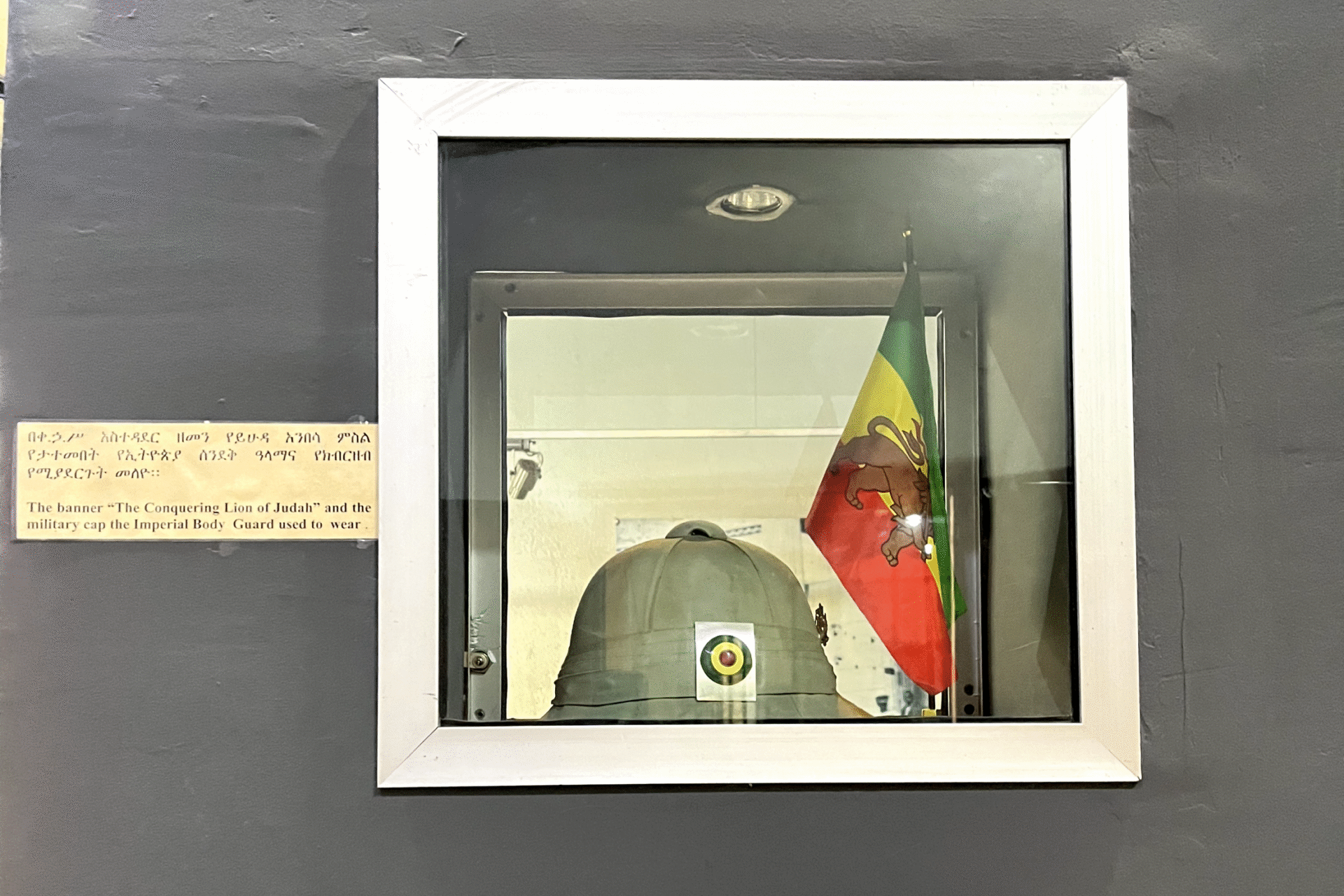
The streets of Addis began to shift. Students protested. Writers were arrested. Priests and teachers vanished. The glitter of the empire dulled with every strike, every secret funeral, every photo burned in fear. Then came the storm: 1974. The Derg, a military committee, rose under the banner of revolution. They promised change, justice, and bread for the hungry. Initially, the people embraced them, hopeful for a brighter future. The promise of land reform and social equality resonated deeply in a nation weary of oppression. Crowds filled the streets, chanting slogans of support, their faces alight with optimism. The emperor was captured, removed not with bloodshed but silence. They locked him in his own palace, now turned prison. The same golden halls he once walked in pride now echoed with his lonely footsteps. For a brief moment, it seemed that Ethiopia was on the brink of a new dawn. But what came next was not peace—it was terror reborn
Copyright © 2025 | Powered by Lenege Tech